
You probably already know the basics of brain health: stay active, eat well, keep learning. What you might not realize is how much your daily environment affects your ability to actually do those things consistently. Living alone, it’s easy to slip into routines that feel comfortable but don’t challenge your mind much. Assisted living changes that equation in ways that are both practical and surprisingly enjoyable.
The Connection Between Social Life and Brain Health
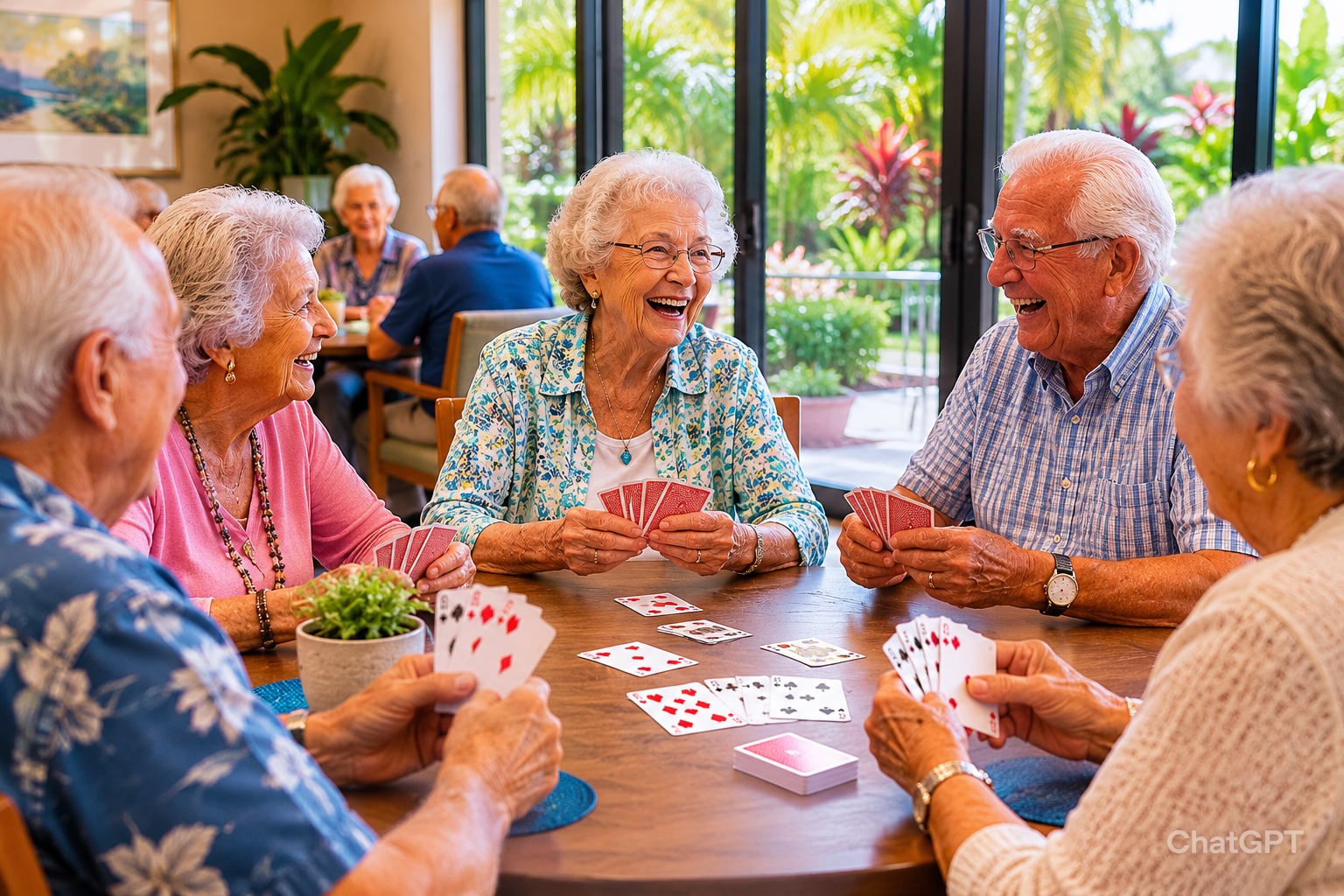
Of all the things researchers have identified as protective for brain health, social engagement consistently ranks near the top. Not passive socializing like watching television in a room with other people, but genuine interaction: conversations, debates, shared activities, laughter, and the mental work of maintaining relationships. When you’re engaged with other people, your brain is working hard even when it doesn’t feel like effort.
Living alone, social interaction often becomes something you have to arrange deliberately, which takes energy you might not always have. In assisted living, social opportunities are built into the structure of every day. Meals bring you into contact with the same people regularly, which is how real friendships develop. Activities create shared experiences to talk about. Common spaces invite spontaneous conversation. You’re not working to find connection; it finds you, and your brain benefits from that consistency.
The research behind this is compelling. According to the National Institute on Aging, staying socially and mentally active may support brain health and might even offer some protection against cognitive decline. The key word is consistency, and assisted living provides exactly that.
Mental Stimulation That Doesn’t Feel Like Homework
Brain health programs in quality assisted living communities go well beyond crossword puzzles, though those are fine too. Think lectures on history or current events, art classes that challenge you to learn new techniques, music appreciation programs, book clubs that require you to read and form opinions, foreign language conversations, and trivia competitions that make you dig deep into memory and knowledge.
What makes these activities effective isn’t just the mental challenge but the combination of novelty and engagement. Learning something new, even something small, stimulates the brain differently than repeating familiar tasks. When you’re genuinely interested and engaged, your brain processes information more deeply. And when activities happen in a social context, the stakes feel just high enough to keep you focused without creating stress.
South Florida communities have a particular advantage here. The cultural richness of the region, from its Latin American and Caribbean influences to its arts scene and proximity to major cities, creates programming opportunities that communities in less vibrant areas simply can’t match. Guest speakers, cultural performances, museum trips, and connections to the broader community keep mental life varied and interesting.
Physical Activity and Your Brain
The link between physical movement and brain health is one of the most well-established findings in neuroscience. Exercise increases blood flow to the brain, supports the growth of new neural connections, and reduces inflammation that contributes to cognitive decline. You don’t need intense workouts to get these benefits. Regular moderate movement, the kind that’s built into assisted living life through exercise classes, walking to meals, and activity programs, provides meaningful cognitive protection.
What makes assisted living particularly effective here is consistency. When exercise classes happen at the same time each week and are led by professionals who make them engaging, you actually go. When the environment is designed for movement, with wide hallways, safe walking paths, and inviting outdoor spaces, you move more throughout the day without thinking about it. South Florida’s year-round warmth means outdoor movement is never limited by weather, adding another layer of benefit that northern communities can’t offer.
Purpose and Structure as Brain Protection
One underappreciated aspect of brain health is the role of purpose and routine. When your days have structure and meaning, your brain stays oriented and engaged. When days blur together without clear purpose or activity, cognitive function can decline faster than most people realize.
Assisted living provides both. You have things to do, people expecting to see you, activities you’ve committed to, and a community that includes you in its daily rhythms. This isn’t a small thing. The difference between days that feel purposeful and days that feel empty has real cognitive consequences over time. Residents who engage fully with community life consistently report feeling sharper and more themselves than they did in the later years of living alone.
Nutrition and Brain Health
What you eat directly affects how well your brain functions, and this is an area where assisted living delivers genuine value. Consistent, balanced meals prepared with attention to nutritional needs ensure your brain gets the fuel it requires. Omega-3 rich foods, vegetables, whole grains, adequate protein, and proper hydration all support cognitive function.
When you’re cooking for yourself, especially if appetite has diminished or meal preparation has become tiring, nutrition often suffers in ways you might not fully notice. You eat what’s easy rather than what’s best. In assisted living, nutritional planning happens professionally, and you simply enjoy the results. South Florida’s access to fresh tropical fruits and vegetables year-round adds variety and nutritional richness to dining programs that mainland communities can’t always match.
Sleep, Stress, and the Bigger Picture
Brain health doesn’t happen in isolation. Sleep quality, stress levels, and overall sense of wellbeing all affect cognitive function significantly. Poor sleep impairs memory consolidation and cognitive performance. Chronic stress damages brain cells over time. Anxiety and depression, both common in isolated older adults, accelerate cognitive decline.
Assisted living addresses all of these indirectly but powerfully. Better sleep comes from consistent routines and the security of having support nearby. Reduced stress comes from not having to manage a household alone, not worrying about safety, and having help with tasks that had become burdensome. The sense of community and belonging reduces the anxiety and depression that isolation creates. Together, these factors create an environment where your brain can function at its best remaining capacity.
What This Looks Like Day to Day
On a typical Tuesday in assisted living, you might wake at your usual time, have breakfast with friends you’ve come to know well, attend a current events discussion group that gets your mind working on real issues, take a gentle walk through the gardens before the afternoon heat, enjoy lunch with stimulating conversation, participate in an art class where you’re learning watercolor techniques you’ve never tried before, and end the day with a music performance that brings back memories and emotions.
None of this feels like a brain health regimen. It feels like a good day. That’s precisely the point. The most effective approach to staying mentally sharp isn’t a clinical program you dutifully follow. It’s a life that’s rich enough, connected enough, and stimulating enough that your brain stays engaged naturally. Assisted living, at its best, creates exactly that kind of life.
Frequently Asked Questions
Can assisted living actually slow cognitive decline?
While no environment can guarantee prevention of cognitive decline, research consistently shows that the factors supported by assisted living, including social engagement, mental stimulation, physical activity, good nutrition, quality sleep, and reduced stress, are associated with better cognitive outcomes in older adults. You can’t control genetics or all health factors, but you can create the best possible conditions for your brain to thrive.
What if I’m already experiencing some memory issues?
Mild memory changes are normal with aging and don’t necessarily indicate dementia. If you’re experiencing memory concerns, assisted living provides an environment where changes can be monitored, appropriate activities can support remaining cognitive function, and healthcare coordination ensures any underlying issues are addressed promptly. Early intervention when memory issues arise makes a meaningful difference in outcomes.
How do activity programs differ from community to community?
Quality varies significantly. When touring communities, ask specifically about the cognitive stimulation programming rather than just the general activity calendar. Look for variety, novelty, and genuine engagement rather than passive entertainment. Ask how often new programs are introduced and whether residents have input into activity offerings. The best programs treat residents as intellectually capable adults who can handle challenging content.
Is brain health programming different for memory care residents?
Yes, significantly. Memory care programming adapts activities to current cognitive abilities, focusing on engagement and positive experience rather than learning or challenge. Music, sensory activities, reminiscence work, and simple creative projects serve different but equally important functions for people with dementia compared to cognitively intact seniors in assisted living.
What role does the physical environment play in brain health?
The environment matters more than most people realize. Natural light regulates circadian rhythms that affect cognitive function. Access to nature and outdoor spaces reduces stress hormones that impair brain function. Visually stimulating but not overwhelming spaces support engagement. Safe, navigable environments reduce the cognitive load of managing physical risk, freeing mental resources for other things.
About Courtyard Gardens Senior Living
Courtyard Gardens Senior Living in Boynton Beach offers assisted living and memory care programs designed with brain health at their core. Serving residents throughout Palm Beach, Broward, and Miami-Dade counties, our community provides intellectually stimulating programming, meaningful social connection, physical activity opportunities, and professional nutritional support in a beautiful South Florida setting. We believe staying mentally sharp is about creating a life worth being fully present for. Learn more about our approach to cognitive wellness and community life here or call us at 561-336-4958.
